 TERM 13
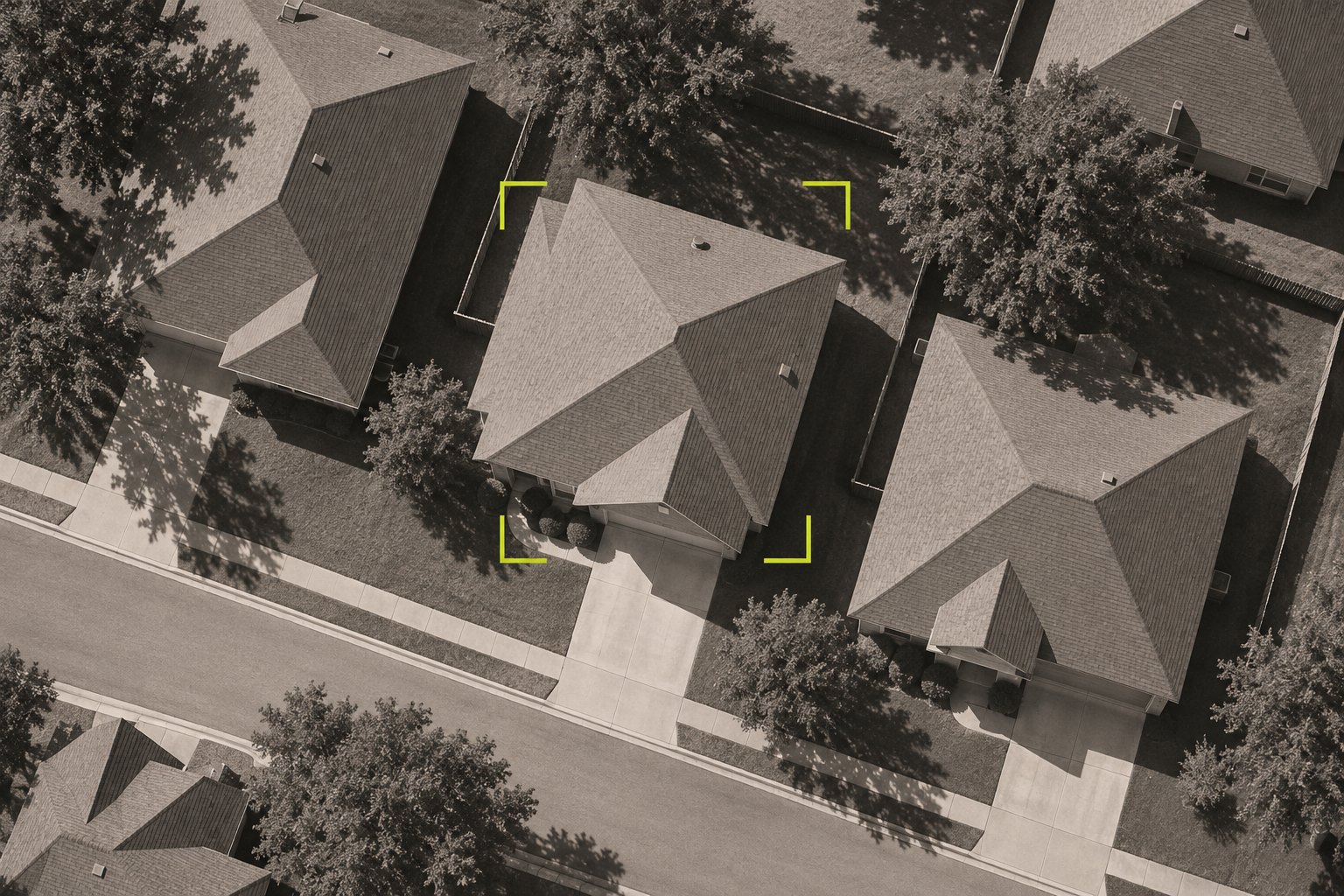
Belmont Roofing’s team can see which jobs need attention and why. When something keeps showing up, they can look back at earlier observations and see when it first surfaced. That gives them a place to start the conversation and a way to check what happened after it.
The work was in JobNimbus. The follow-up was in people’s heads.
A job record can tell you where a job stands. The harder question is whether it’s where it ought to be. A stage, a date, or a missing update might mean very little on its own. Someone who knows the business can look at those clues together and recognize when a job needs a nudge.
That judgment gets harder to apply consistently as the list of jobs grows. A fresh look at today’s jobs also leaves a question unanswered. Did this just happen, or has it been sitting here for a while?
We gave the team a way to ask better questions of the same data.
We built Scout through Performance Scoring around the job data Belmont already had in JobNimbus. Scout checks that data against workflow rules and turns the results into findings the team can review. The rules give the team a shared definition of what needs attention, and the findings point back to the jobs that triggered them.
Scout keeps daily observations, too. The team can see what it observed on earlier days and whether a finding is still unresolved. That makes it possible to ask about a pattern across jobs or to pull the thread on one particular job. Authorized users can ask those questions in plain language through an AI assistant connected to Scout.

The team gets to make the call.
Scout can tell someone which job to look at and what rule flagged it. The person reviewing the job can decide whether to follow up, look for more context, or leave it alone. The useful part is getting to that decision with the evidence already in hand.
Belmont’s team already knew what good work looked like. Scout gave them a way to apply that judgment across more jobs and see where it was worth spending their time.